
Step-by-Step Guide to Starting a Small Business from Home
Introduction
Starting a small business from home can provide a number of benefits, including the flexibility to work from anywhere and the opportunity to be your own boss. Additionally, starting a business from home can be a more cost-effective way to get started, as it eliminates many of the expenses associated with traditional brick-and-mortar businesses. With the rise of technology and the internet, it's now easier than ever to start a small business from home and reach a large audience. Whether you're looking to supplement your income or start a full-time venture, a small business from home can be a great way to achieve your entrepreneurial dreams.
A brief overview of the steps involved in starting a small business from home
Starting a small business from home involves a number of steps, including conducting market research, developing a business plan, choosing a business structure, registering your business, establishing a business bank account, creating a business website, and developing a marketing plan. Each of these steps is important in helping you to lay the foundation for your business, build a strong brand, and increase your chances of success. The process can take time and effort, but with the right planning and preparation, you can be well on your way to building a successful small business from home.
Step 1: Conduct Market Research

Market research is a critical step in the process of starting a small business from home. The purpose of market research is to help you understand your target audience, identify market trends and opportunities, and determine the viability of your business idea. By conducting market research, you can gain valuable insights into your customers' needs, preferences, and behaviors, as well as the competition in your market. This information is essential in helping you to make informed decisions about your business and increase your chances of success.
Tips on how to conduct market research
Define your target audience: Determine who your target customers are and what their needs and preferences are. This information can help you to tailor your products or services to meet their needs.
Gather data: Collect data from a variety of sources, including online surveys, focus groups, and competitor analysis. This information can provide you with valuable insights into your market and customers.
Analyze the data: Once you have collected the data, analyze it to identify trends, opportunities, and potential challenges in your market. Use this information to inform your business strategy and make informed decisions.
Keep up-to-date: Market conditions can change quickly, so it's important to regularly conduct market research to stay up-to-date on market trends and changes in customer behavior.
Tools and resources available for market research
Online surveys: Online survey tools, such as SurveyMonkey and Google Forms, allow you to easily gather information from your target audience.
Focus groups: Focus groups provide you with an opportunity to gather insights from a group of people in a structured setting.
Competitor analysis: Competitor analysis involves researching your competition to understand their strengths and weaknesses, as well as the opportunities and threats in your market.
Secondary research: Secondary research involves gathering information from existing sources, such as industry reports and government data.
Primary research: Primary research involves collecting original data through methods such as online surveys and focus groups.
In conclusion, conducting market research is an important step in the process of starting a small business from home. With the right tools and resources, you can gather valuable insights into your market and customers, and increase your chances of success.
Step 2: Develop a Business Plan
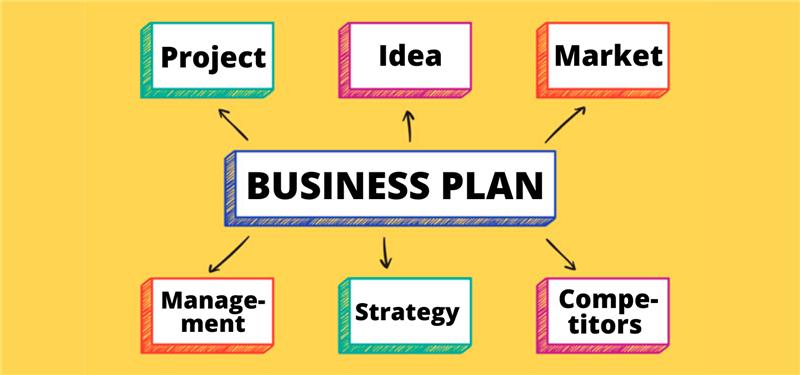
A business plan is a written document that outlines your business objectives, strategies, and goals. It is a roadmap for your business, helping you to identify your target market, evaluate your competition, and determine the resources and investments required to start and grow your business. A business plan is important because it helps you to clarify your business idea, prioritize your goals, and stay focused as you move forward. Additionally, a well-written business plan can be a valuable tool for attracting investors and securing financing for your business.
Key components of a business plan
Executive Summary: A brief overview of your business idea, objectives, and strategies.
Company Description: A description of your business, including the products or services you offer, your target market, and your competitive advantage.
Market Analysis: An analysis of the market trends, opportunities, and challenges in your industry.
Marketing and Sales Strategies: A description of your marketing and sales strategies, including your target audience, marketing channels, and pricing strategy.
Operations Plan: A description of your daily operations, including your production process, supply chain, and logistics.
Financial Plan: A financial projection of your business, including your revenue and expenses, cash flow, and profitability.
Appendices: Any additional information or data that supports your business plan, such as market research data and financial projections.
Tips on how to write a business plan
Keep it simple: A business plan does not need to be complex. Keep it concise and straightforward, focusing on the most important information.
Do your research: Gather data and research to support your business plan, including market trends, competitive analysis, and financial projections.
Be realistic: Be honest about the potential challenges and risks in your business, and be realistic about the resources and investments required to start and grow your business.
Get feedback: Share your business plan with trusted advisors and mentors to get feedback and make revisions as needed.
Update regularly: Revisit and update your business plan regularly to ensure that it remains relevant and accurate as your business evolves.
In conclusion, developing a business plan is an important step in starting a small business from home. A well-written business plan can help you to clarify your business idea, prioritize your goals, and attract investors and financing for your business. With the right planning and preparation, you can be well on your way to building a successful small business from home.
Step 3: Choose a Business Structure
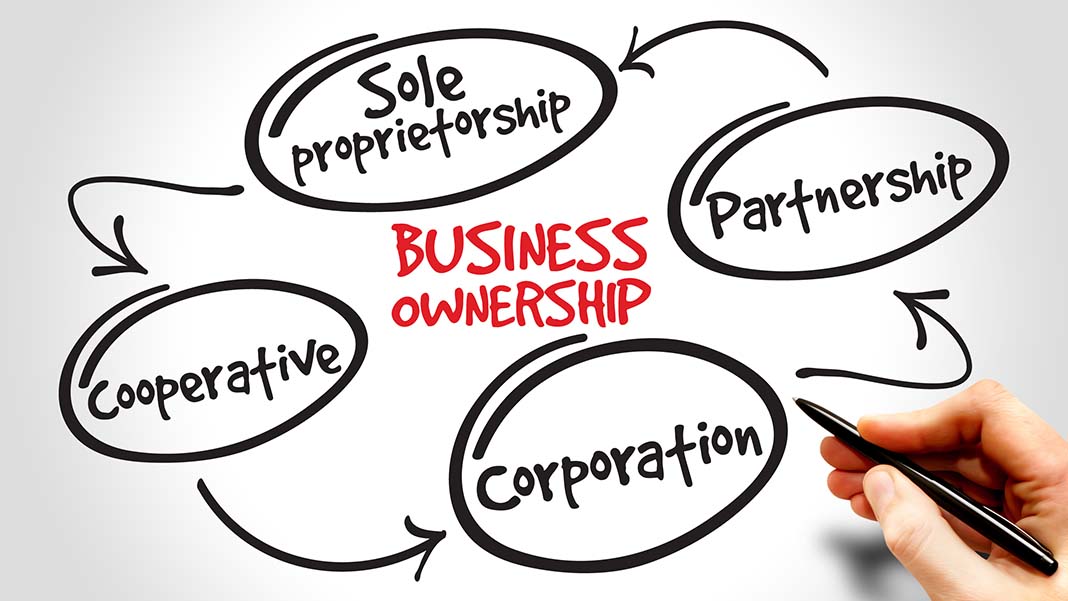
When starting a small business from home, one of the first decisions you will need to make is choosing a business structure. The most common business structures are sole proprietorship, partnership, limited liability company (LLC), corporation, and cooperative.
Sole Proprietorship: A sole proprietorship is the simplest business structure and is owned and run by one person. There are no formal documents or legal requirements to start a sole proprietorship, making it the quickest and easiest structure to set up.
Partnership: A partnership is a business owned by two or more individuals. Partnerships can be general partnerships, where all partners are equally responsible for the business, or limited partnerships, where one partner has limited liability.
Limited Liability Company (LLC): An LLC is a hybrid business structure that combines the liability protection of a corporation with the tax benefits of a partnership. An LLC is owned by its members, and profits are passed through to the members and taxed as personal income.
Corporation: A corporation is a separate legal entity from its owners, known as shareholders. Corporations have limited liability and can raise capital through the sale of stocks.
Cooperative: A cooperative is a business owned and controlled by its members, who share in the profits and losses. Cooperatives are common in industries such as agriculture, retail, and service.
Factors to consider when choosing a business structure
When choosing a business structure for your small business from home, there are several factors to consider, including:
Liability protection: Consider the level of liability protection you need, and choose a structure that provides the right level of protection for you and your business.
Taxation: Each business structure has different tax implications, so it's important to consider the tax implications of each structure and choose the one that is most favorable for your business.
Complexity and cost: Some business structures, such as corporations, can be more complex and costly to set up and maintain compared to others, such as sole proprietorships.
Ownership and management: Consider the ownership and management structure of your business, and choose a structure that aligns with your goals and expectations.
Pros and cons of each business structure
Sole Proprietorship: Pros include ease of setup and flexibility, while cons include unlimited personal liability and difficulty in raising capital.
Partnership: Pros include shared management and resources, while cons include shared liability and the possibility of disputes between partners.
Limited Liability Company (LLC): Pros include limited liability and favorable tax treatment, while cons include potential limitations on management and control, and increased complexity compared to other structures.
Corporation: Pros include limited liability and the ability to raise capital through the sale of stocks, while cons include complex structure and regulations, and potential double taxation.
Cooperative: Pros include shared ownership and management, while cons include potential limitations on growth and the possibility of disputes between members.
In conclusion, choosing the right business structure is an important step in starting a small business from home. Consider the factors that are most important to you, such as liability protection, taxation, and ownership and management, and choose a structure that aligns with your goals and expectations.
Step 4: Register Your Business

Once you have chosen a business structure, the next step in starting a small business from home is to register your business. The registration process will vary depending on your business structure and location, but typically involves filing the necessary paperwork and paying any fees to the appropriate government agencies.
Required licenses and permits
In addition to registering your business, you may also need to obtain certain licenses and permits to legally operate your business. The specific licenses and permits required will vary depending on the type of business you are starting and your location. Some common licenses and permits include a business license, sales tax permit, and any industry-specific licenses or permits.
Tips on how to navigate the registration process
Research the requirements: Start by researching the specific requirements for registering your business and obtaining any necessary licenses and permits in your area.
Gather the necessary information: Make sure you have all the information and documentation required for the registration process, such as your business name, structure, and location.
File the paperwork: Complete and file the necessary paperwork, including any registration forms, licenses, and permits, with the appropriate government agencies.
Pay any fees: Pay any fees associated with registering your business and obtaining any necessary licenses and permits.
Keep records: Make sure to keep records of all the paperwork and fees associated with registering your business, as you may need to reference this information in the future.
In conclusion, registering your business and obtaining any necessary licenses and permits is an important step in starting a small business from home. Make sure to research the specific requirements in your area, gather the necessary information and documentation, file the paperwork, pay any fees, and keep records for future reference.
Step 5: Establish a Business Bank Account

One of the key steps in starting a small business from home is to establish a separate business bank account. Separating your personal and business finances is important for a number of reasons, including keeping track of your business expenses, building business credit, and avoiding confusion and potential legal issues.
Tips on how to set up a business bank account
Choose a reputable bank: Select a reputable bank that offers business banking services and has a strong reputation for customer service and security.
Gather required information: Have all the necessary information and documentation ready, such as your business name, tax ID number, and any required licenses and permits.
Compare account options: Compare different business bank account options, including fees, interest rates, and features, to find the best fit for your business.
Open the account: Once you have chosen a bank and business bank account, complete the necessary forms and open the account.
Deposit funds: Make an initial deposit into your business bank account to get started.
Benefits of having a separate business bank account
Better financial tracking: Keeping your personal and business finances separate makes it easier to track and manage your business expenses.
Improved credibility: Having a separate business bank account can help improve the credibility of your business and make it appear more professional to customers and suppliers.
Protection of personal assets: By separating your personal and business finances, you can help protect your personal assets in the event of legal action or business failure.
In conclusion, establishing a separate business bank account is an important step in starting a small business from home. It helps separate your personal and business finances, improves the credibility of your business, and protects your personal assets. Make sure to choose a reputable bank, compare account options, and keep accurate records for better financial tracking.
Step 6: Create a Business Website

Having a website for your business is essential in today's digital age. A website provides a platform to showcase your products and services, reach a wider audience, and establish your online presence. It is also a cost-effective way to market your business and connect with potential customers.
Tools and resources available for creating a website
Website builders: Website builders, such as Wix, Squarespace, and WordPress, offer user-friendly drag-and-drop interfaces and customizable templates to help you create a professional-looking website without any prior coding experience.
Hiring a web designer: If you have the budget, you can hire a web designer to create a custom website for your business. This option may be ideal for businesses with specific design needs or those who want a unique and personalized website.
Freelance platforms: Freelance platforms, such as Upwork and Fiverr, offer a wide range of web design and development services at affordable prices.
Tips on how to create a professional-looking website
Define your website's purpose: Before you start creating your website, determine what you want it to achieve. This will help guide your design and content decisions.
Choose a suitable domain name: Choose a domain name that is easy to remember and reflects your brand.
Use clear and professional design: Use clean and professional design elements, such as clear typography, high-quality images, and a consistent color palette, to create a polished and professional website.
Make it mobile-friendly: Ensure that your website is optimized for viewing on all devices, including mobile phones and tablets.
Include important information: Include key information about your business, such as contact information, products and services, and a mission statement, to help visitors understand what you offer and why they should choose your business.
In conclusion, having a website for your business is an important step in establishing your online presence and reaching a wider audience. Choose from a range of tools and resources, such as website builders, freelance platforms, or hiring a web designer, to create a professional-looking website that effectively showcases your business.
Step 7: Develop a Marketing Plan
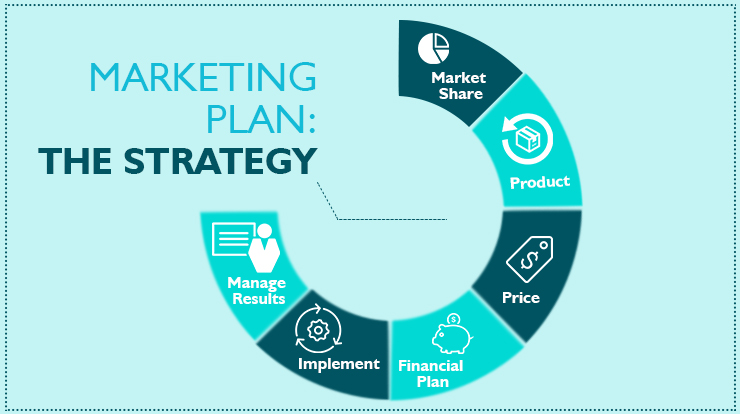
A marketing plan is a roadmap that outlines how you will promote your business and reach your target audience. It is an essential component of your overall business plan, as it helps you prioritize your marketing efforts and allocate your resources effectively.
Key components of a marketing plan
Target audience: Identify the demographic you want to reach, such as age, income, location, and interests.
Unique selling proposition (USP): Define what makes your business unique and sets it apart from your competitors.
Marketing budget: Determine how much money you are willing to allocate to your marketing efforts.
Marketing channels: Choose the channels you will use to reach your target audience, such as social media, email marketing, or advertising.
Measurement and evaluation: Establish a system for tracking and measuring your marketing efforts, such as web analytics or customer feedback, to assess what is working and what is not.
Types of marketing tactics to consider
Social media marketing: Utilize social media platforms, such as Facebook, Instagram, and Twitter, to reach and engage with your target audience.
Email marketing: Connect with your customers and promote your products and services through email campaigns.
Content marketing: Share valuable and informative content, such as blog posts, videos, and infographics, to attract and retain customers.
Influencer marketing: Partner with influencers in your industry to reach a wider audience and promote your brand.
Event marketing: Host events, such as workshops, webinars, or product launches, to engage with your customers and promote your brand.
In conclusion, developing a comprehensive marketing plan is crucial for the success of your small business. By identifying your target audience, unique selling proposition, marketing budget, and marketing channels, you can create a plan that helps you effectively reach and engage with your customers. Consider incorporating a variety of marketing tactics, such as social media marketing, email marketing, and event marketing, to reach your target audience and promote your business.
Step 8: Launch Your Business

Before launching your business, there are a few final steps to take to ensure that everything is in order. These steps may include obtaining all necessary licenses and permits, setting up your business finances, establishing relationships with suppliers, and preparing for opening day.
Importance of persistence and hard work
Starting a small business from home is a challenging, yet rewarding, experience. It takes time, effort, and dedication to get your business up and running. Persistence and hard work are key to success. Don't be discouraged by setbacks and obstacles, as they are a normal part of the journey. Stay focused on your goals and keep working towards them.
Tips for success
Be passionate: Choose a business that you are passionate about, as this will make it easier to stay motivated and overcome challenges.
Be flexible: Be open to change and willing to adapt to new opportunities and challenges.
Stay organized: Keep track of your finances, schedule, and tasks to ensure that everything is running smoothly.
Seek help: Don't be afraid to seek help from experts, such as business coaches, lawyers, and accountants, when needed.
Network: Build relationships with other small business owners and attend industry events to connect with potential customers and suppliers.
In conclusion, launching a small business from home takes time and effort, but the rewards are worth it. Stay persistent, work hard, and be passionate about your business. By following these tips for success, you can ensure that your small business gets off to a great start.
Conclusion
Starting a small business from home involves several important steps, including market research, developing a business plan, choosing a business structure, registering your business, establishing a business bank account, creating a business website, developing a marketing plan, and finally, launching your business.
Starting a small business from home is a challenging, yet fulfilling, journey. It takes time, effort, and dedication to turn your entrepreneurial dreams into a reality. However, with hard work and persistence, the rewards can be significant. Don't be discouraged by setbacks and obstacles, and remember to stay focused on your goals.
Starting a small business from home requires careful planning and preparation, but with the right approach, it can be a highly rewarding experience. By following the steps outlined in this guide, you can ensure that your small business is off to a great start. Whether you are looking to supplement your income or pursue your entrepreneurial dreams, starting a small business from home can provide the freedom and flexibility you need to succeed. So go ahead, take the first step and make your entrepreneurial dreams a reality.